


Can Wisconsin Regulations on PFAS Firefighting Foam Protect Communities?
PFAS-containing firefighting foams have, understandably, raised quite a few eyebrows at the Wisconsin Department of Natural Resources (DNR). Why? Because of their environmental and health impacts. PFAS, or perfluoroalkyl and polyfluoroalkyl substances, are pretty much the backbone of aqueous film-forming foams (AFFF) used by firefighters. They're known for sticking around in the environment and posing potential health risks. This has led to a lot more regulatory attention and, naturally, a spike in community awareness.
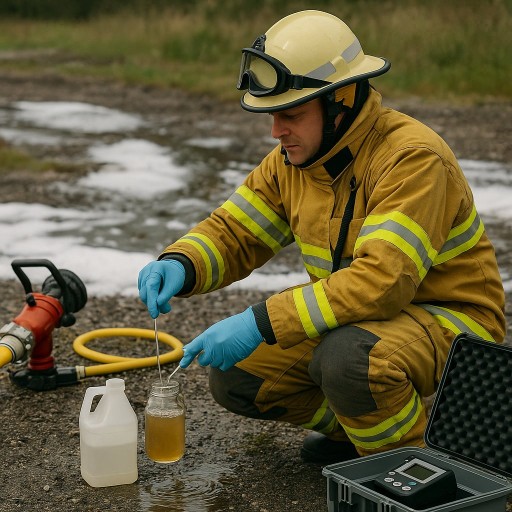
What Are PFAS and Why Are They Controversial?
PFAS are synthetic chemicals that have been around since the 1950s. They’re used in all sorts of industrial and consumer products. Their ability to resist heat, water, and oil makes them super effective in firefighting foams, especially Class B foams, which tackle flammable liquid fires. But here's the catch: these same properties mean they hang around in the environment for ages. That's why they're often called "forever chemicals." Exposure to PFAS has been linked to some serious health issues, like thyroid disease, reproductive problems, and even cancer. And that's concerning.
How Do Wisconsin Regulations Address PFAS in Firefighting Foams?
Wisconsin has actually put some laws in place to manage the use of PFAS-containing firefighting foams. Section 299.48 of the Wisconsin Statutes limits the use of Class B foams with added PFAS, except during emergencies or at testing facilities where they can capture and treat the foam properly. These measures are basically designed to cut down on environmental discharge and keep public health in check. Plus, the state requires immediate notification to the DNR when these foams are used. This ensures a quick response to any potential contamination.
What Should Firefighters and Communities Know About PFAS Exposure?
Firefighters, as you might guess, face significant PFAS exposure because of the foams they use. Communities near fire stations or training sites could also be at risk. So, understanding the sources and health impacts of PFAS is key. The Wisconsin DNR provides resources, like educational posters for fire departments, to encourage safe handling practices. Fire departments need to keep safety data sheets for all foams to ensure proper documentation and transparency.
When Should Individuals Seek PFAS Testing or Health Monitoring?
If you're a firefighter or live near fire training facilities, it's a good idea to consider regular health screenings for PFAS exposure. Testing your drinking water and blood for PFAS levels can give you insight into your exposure. It’s advisable to consult healthcare providers for advice on monitoring potential health effects. As of 2025, EPA guidelines on PFAS are still evolving, so it's crucial to stay updated on any regulatory changes. So what does this mean for you? Stay informed.
How Do Current Regulations Help Mitigate PFAS Risks?
Wisconsin's regulations aim to minimize PFAS contamination by limiting foam use and requiring containment during testing. These actions are crucial for preventing environmental pollution and protecting public health. Fire departments are encouraged to explore fluorine-free alternatives, which are listed by organizations like the Interstate Chemicals Clearinghouse (IC2) and the Wisconsin State Fire Chiefs Association. Verifying the PFAS-free status of these alternatives is essential.
What Resources Are Available for Affected Individuals?
The Wisconsin DNR provides resources, including a 24-hour hotline for reporting foam spills and discharges. Community members can access information on PFAS contamination and safety measures through the DNR's website. Environmental and health advocacy groups also offer guidance on managing PFAS exposure and its effects.
What Steps Can People Take to Protect Themselves and Their Families?
To reduce PFAS exposure, individuals can use water filters certified to remove PFAS, stay informed about local water quality reports, and advocate for community testing and remediation. Firefighters should follow safety protocols and use personal protective equipment when handling PFAS-containing foams. Communities can engage with local authorities to support legislative efforts to ban or reduce PFAS use.
In summary, the Wisconsin DNR's focus on PFAS-containing firefighting foams underscores the need for awareness and regulation to protect the environment and public health. By understanding the risks and adhering to regulatory guidelines, firefighters and community members can work towards reducing PFAS exposure and its associated health risks.